My role:
Product and experience strategy
Brand development
UX and interaction design
Product growth and iteration
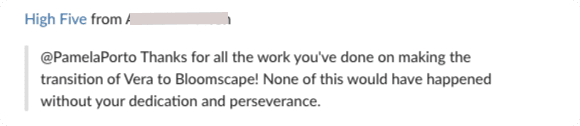
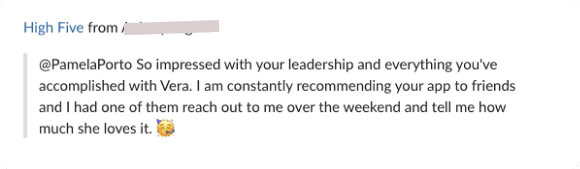
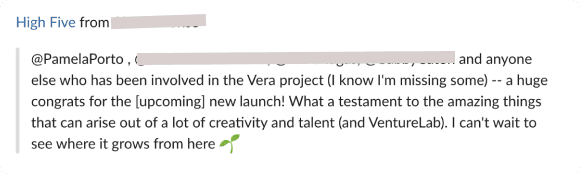
Vera launched as a consumer mobile app and reached 240K downloads and 30K daily active users within 9 months. The product’s growth and differentiated experience led to its acquisition by Bloomscape, where it was rebranded and relaunched as part of their product ecosystem.
Read about acquisition
Vera gained traction quickly, achieving significant adoption and engagement. During Bloomscape’s competitive research to build their own plant care app, they identified Vera as a standout product and initiated acquisition discussions.
Over a four-month collaboration, I worked closely with Bloomscape’s product team to adapt Vera’s design, brand, and experience to their ecosystem, leading to a successful relaunch in September 2020.
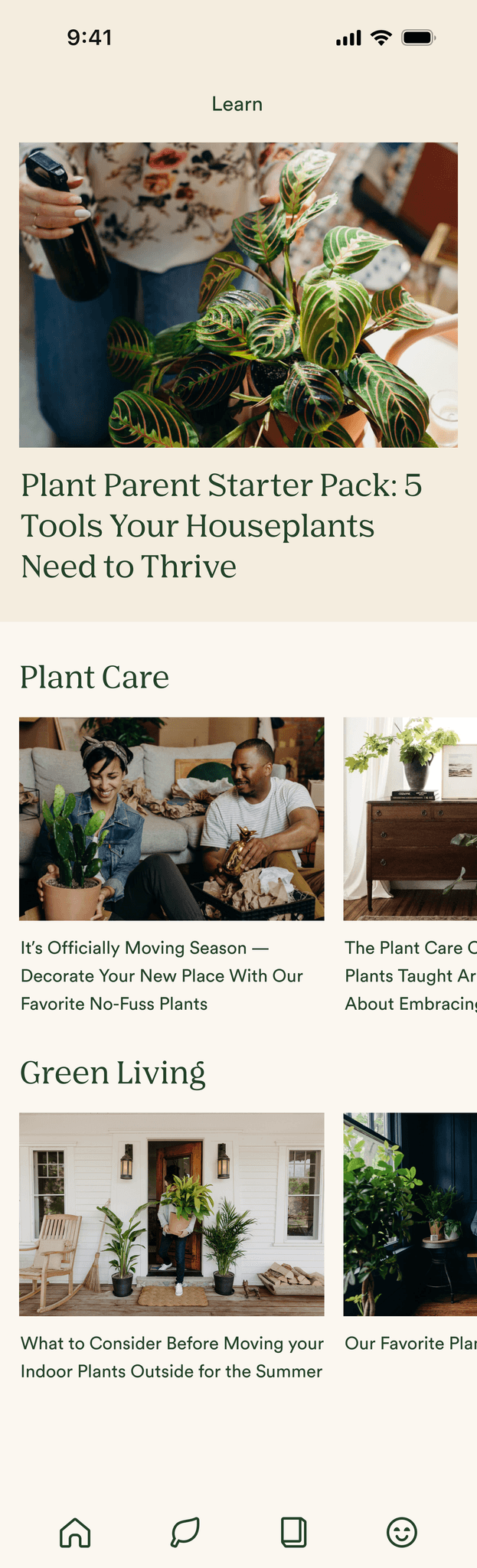
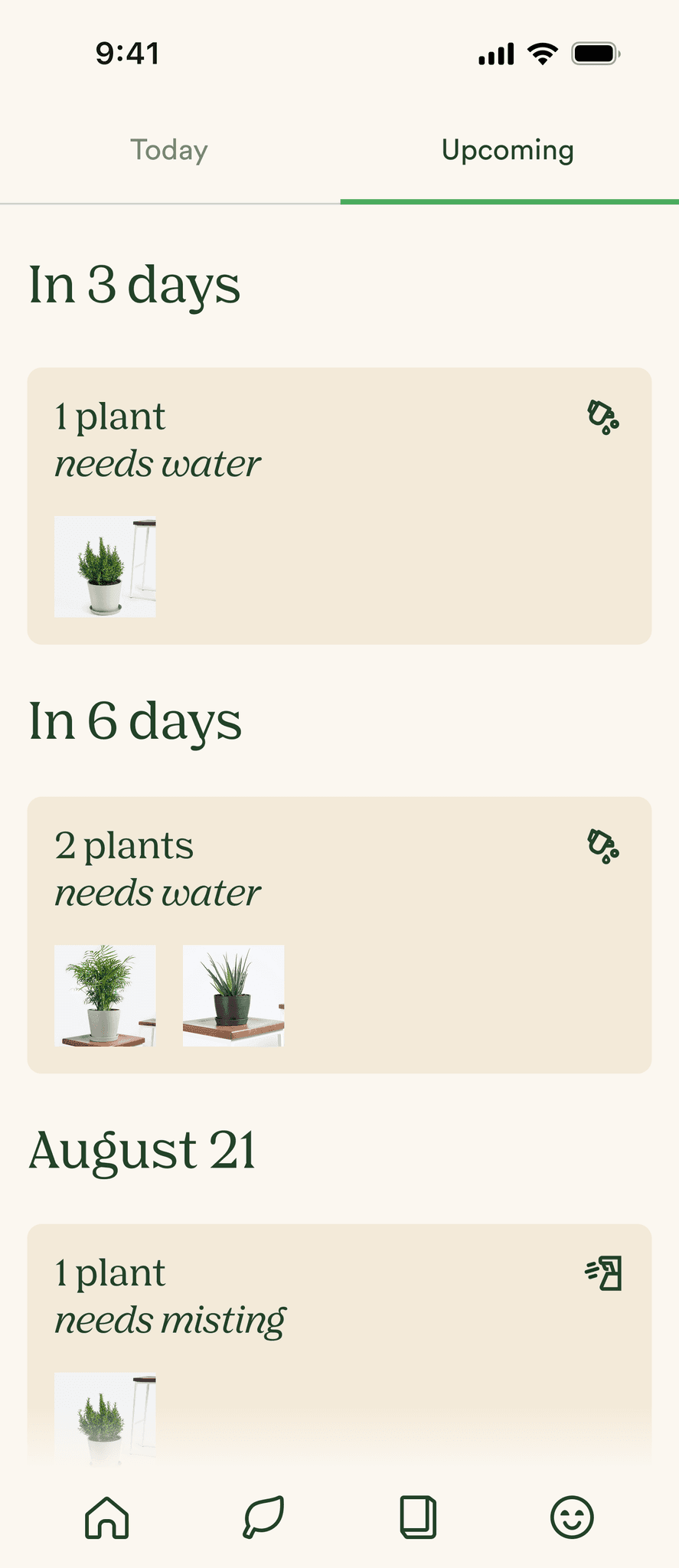
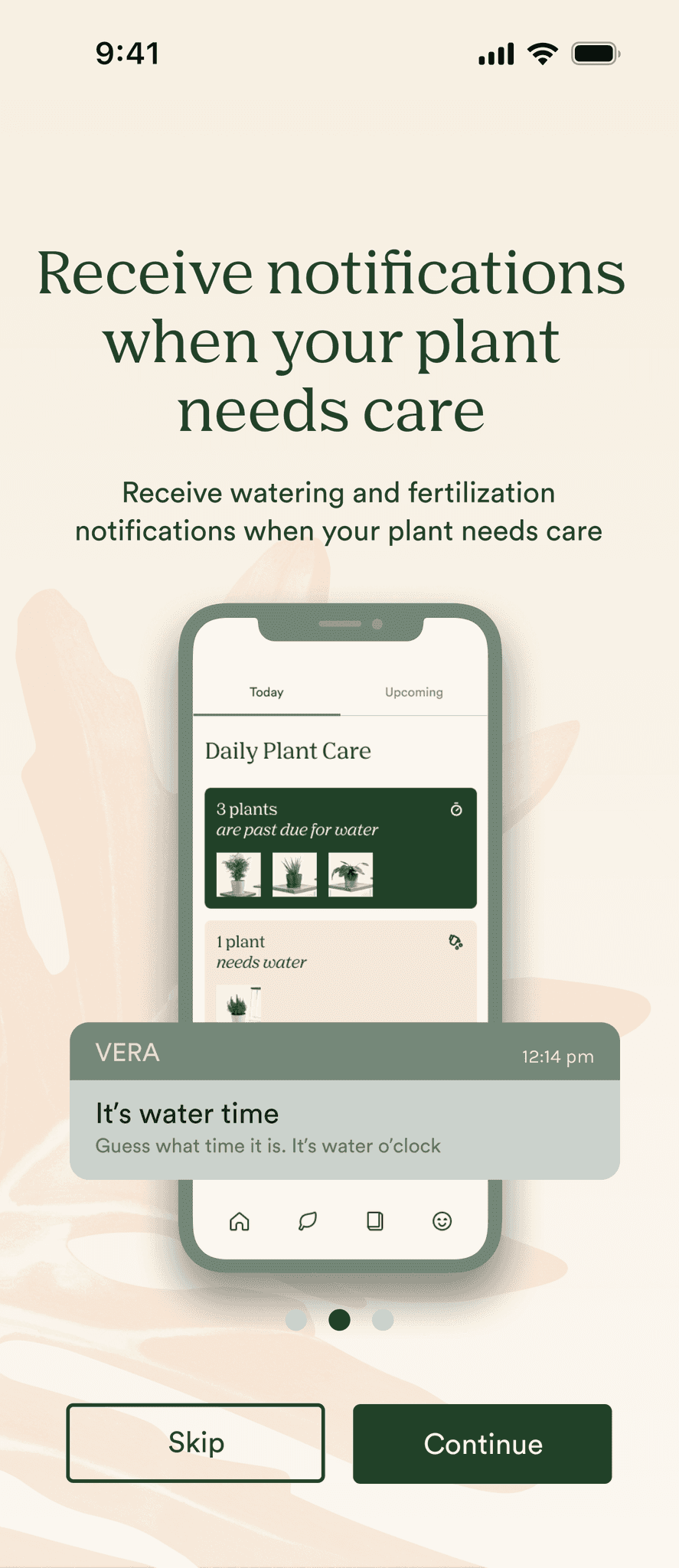
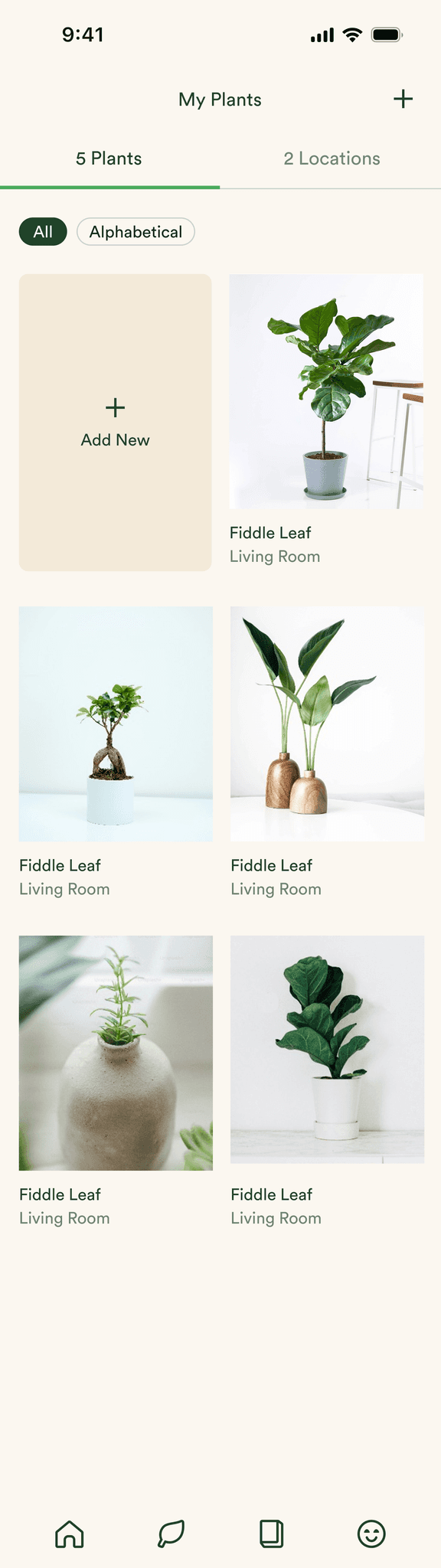
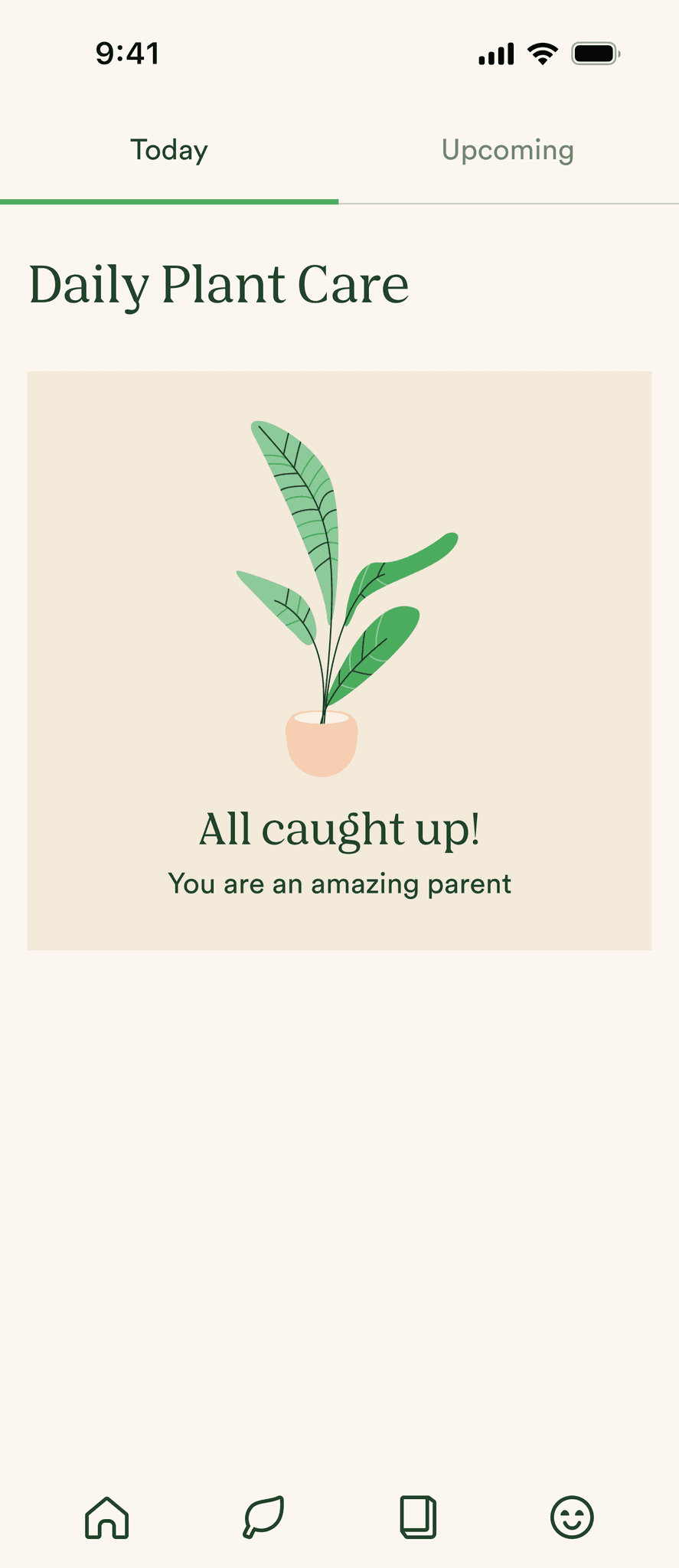
Vera began as an internal venture concept aimed at exploring a new consumer market and validating a potential revenue stream. Existing plant care apps focused on static profiles and reminders, while research showed users were relying on spreadsheets, notes, and photo albums to manage plant care.
The opportunity was to design a more engaging, intuitive experience that fit naturally into users’ daily habits.
Learn about the users and their struggles with incorporating technology into their plant care routines.
Design an easy and engaging experience for the users.
Go to market with an application that allows us to learn more about the industry and target users.
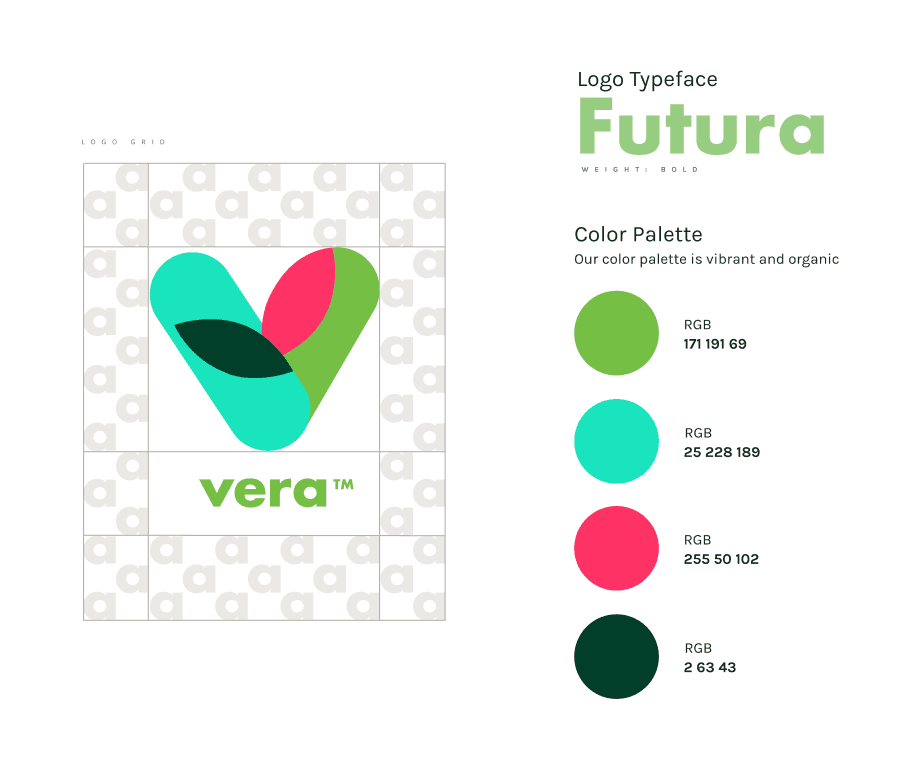
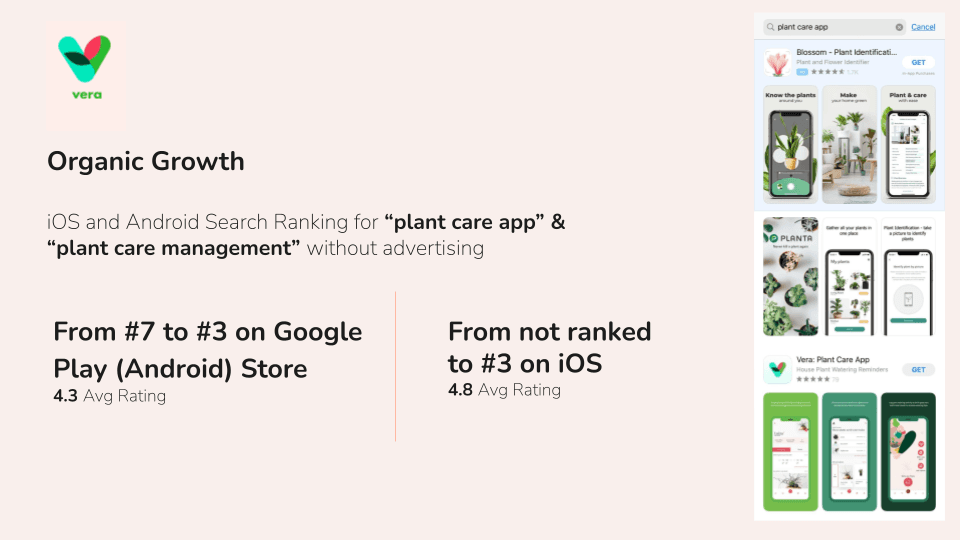
I created the Vera brand end-to-end, including the name, color palette, and illustrations. The distinctive visual identity helped the app stand out in crowded App Store and Google Play listings and reinforced trust and approachability, supporting early organic adoption.
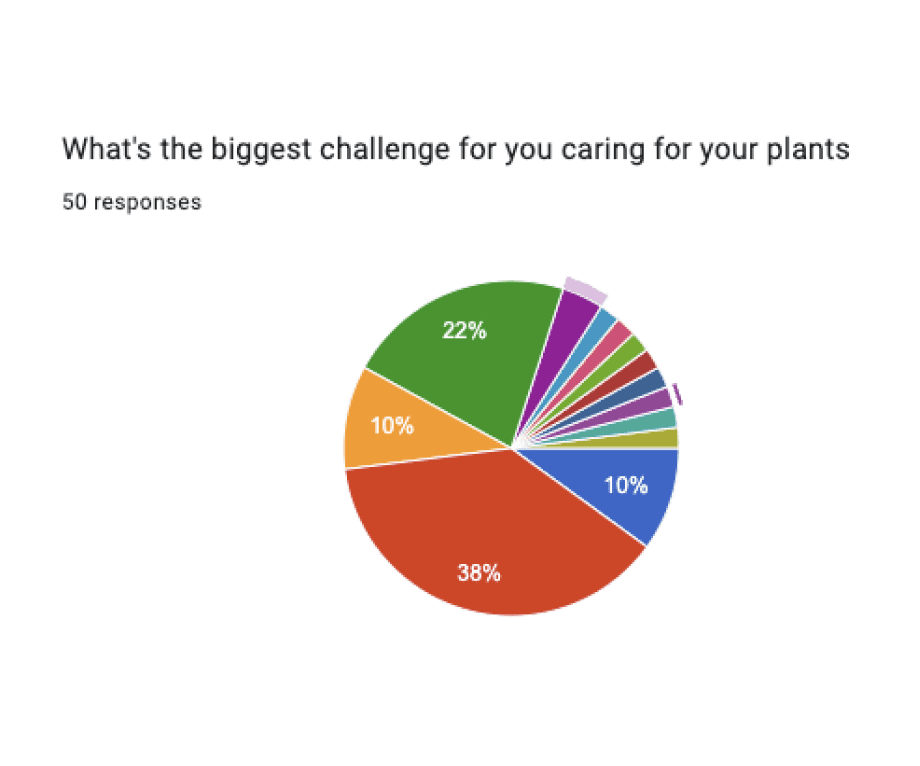
Research showed that plant enthusiasts were already piecing together spreadsheets, notes, and photo albums to manage plant care. I reframed plant profiles as social-style cards, making plant care feel personal, engaging, and habit-forming rather than purely functional.
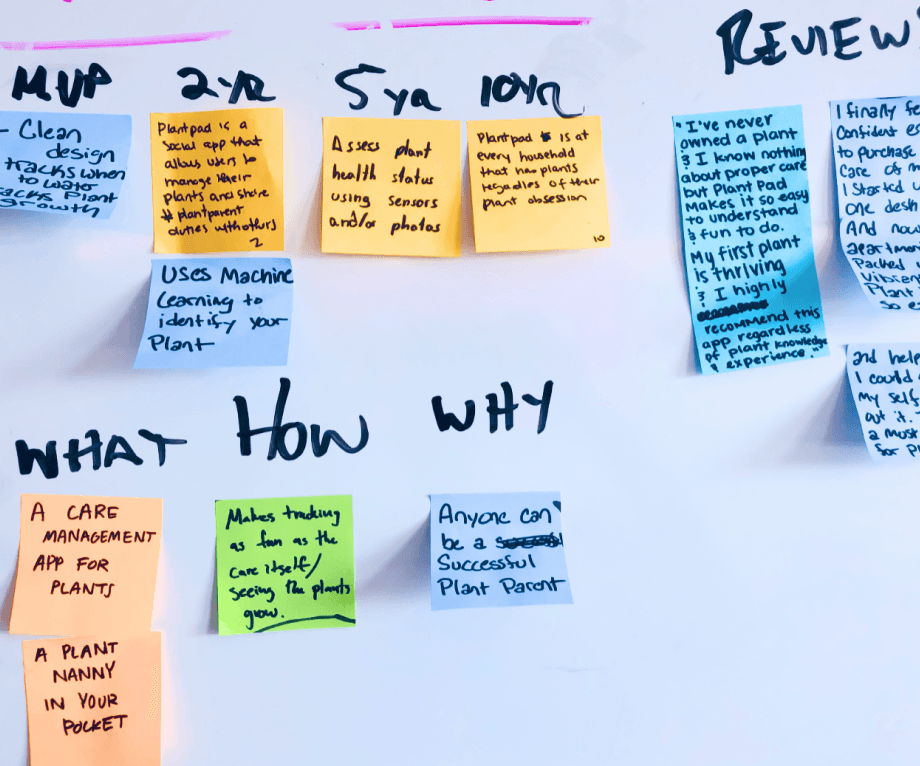
I defined a clear product vision and used it as a decision-making filter for feature prioritization. This ensured the experience remained simple, cohesive, and delightful as the product evolved, while still supporting experimentation around growth and a future premium model.
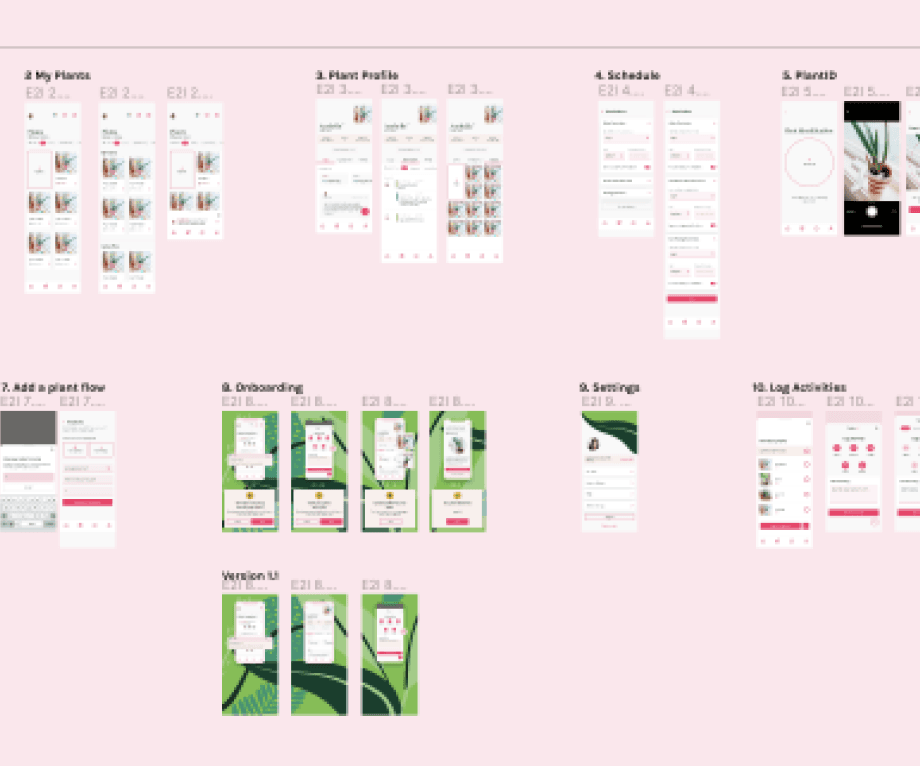
To move quickly under tight resource constraints, I established lightweight design and validation practices—including rapid prototyping, journey mapping, and continuous user feedback—allowing the team to iterate confidently without slowing delivery.

As Vera began to scale through organic sharing and viral social activity, I adapted our design and delivery rhythms to support emerging marketing and social workflows. Fast iteration paired with real-time feedback allowed us to respond to growth signals while maintaining a consistent, high-quality experience.
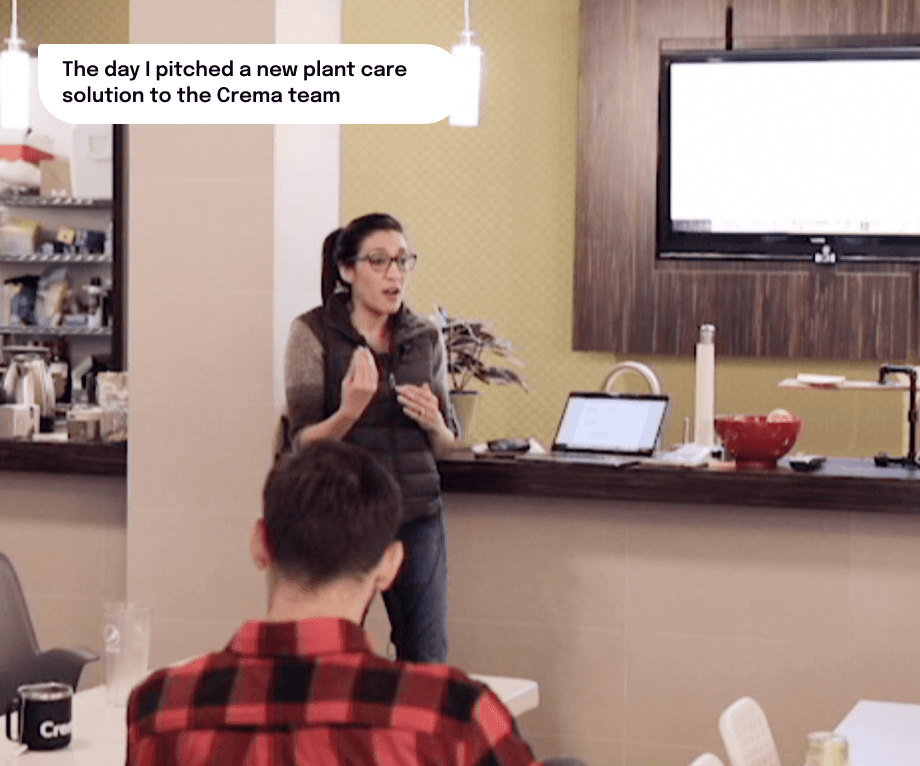
As product owner and design lead, I provided clear direction across the team in a fast-paced incubator environment where many contributors were early in their careers. I set the product vision, priorities, and quality bar while creating space for ownership and learning. Through clear goals, decision frameworks, and feedback loops, the team stayed aligned and delivered a cohesive product under significant constraints.
Every quarter I had to present the app's progress in order to keep resources allocated to it. Here are some slides from one of those quarterly summary reviews.


Vera became the only app that was sold and generated revenue from Crema's investment on Venture Lab
Vera's acquisition led to an engagement with Bloomscape for the app's rebranding on a separate 16-week contract for 4 Individual contributor resources.
Crema was able to join a well known brand such Bloomscape on PR efforts.