
Ourself is a 0→1 consumer women’s health app designed to help users track symptoms, understand patterns, and make more informed decisions about their health over time.
The product was distributed through the App Store and built on a subscription model, requiring a strong focus on trust, engagement, and long-term user value. I led product design from early concept through MVP definition, shaping the core experience and foundational interactions.
My role:
Brand definition
UX and interaction design
Product and experience strategy
MVP scope definition
Certain details have been omitted to respect confidentiality.
The MVP provided a clear, development-ready foundation that enabled the team to move from concept to build with confidence. By focusing on core user value and simplifying early complexity, the work helped validate key product assumptions and supported the startup’s ability to pursue its next round of funding.

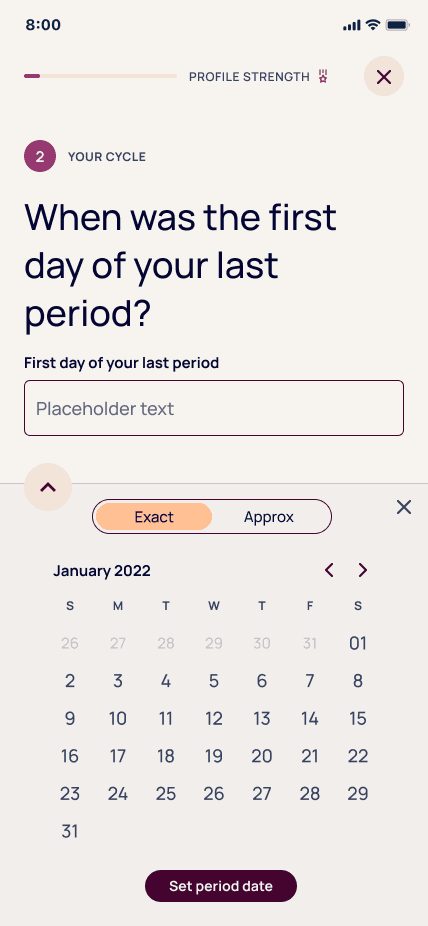

Ourself aimed to provide a comprehensive women’s health experience by combining symptom tracking, analytics, and educational content in a single mobile platform. The domain required a high degree of trust, clarity, and sensitivity, while also supporting a wide range of health needs and user behaviors.
While the client had conducted initial research, it did not fully account for early adopters. To define a meaningful MVP, we needed to ground the experience in how users actually think about and track their health.
I served as the primary design lead, responsible for:
Brand definition
UX and interaction design
Product and experience strategy
MVP scope definition
Design execution and quality oversight
Coaching and guidance for a junior designer
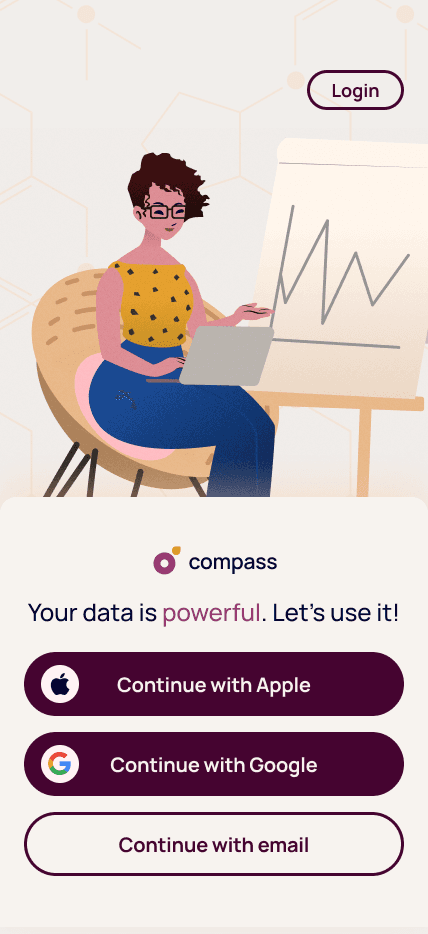
Designed to build trust quickly and set expectations around tracking, privacy, and personalization without creating friction at first use.
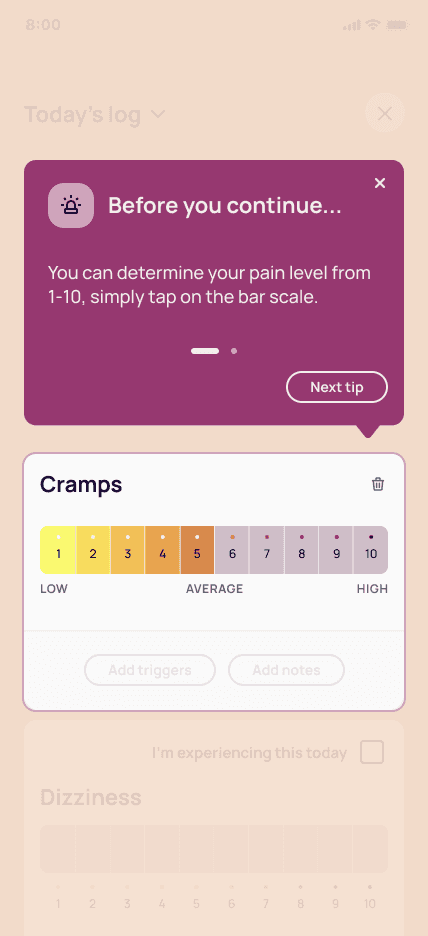
A flexible tracking system that allows users to log and rate symptoms over time. I intentionally used a 1–10 severity scale, mirroring what users encounter in clinical settings, to reduce cognitive load and increase familiarity.
Defining the MVP through focused research
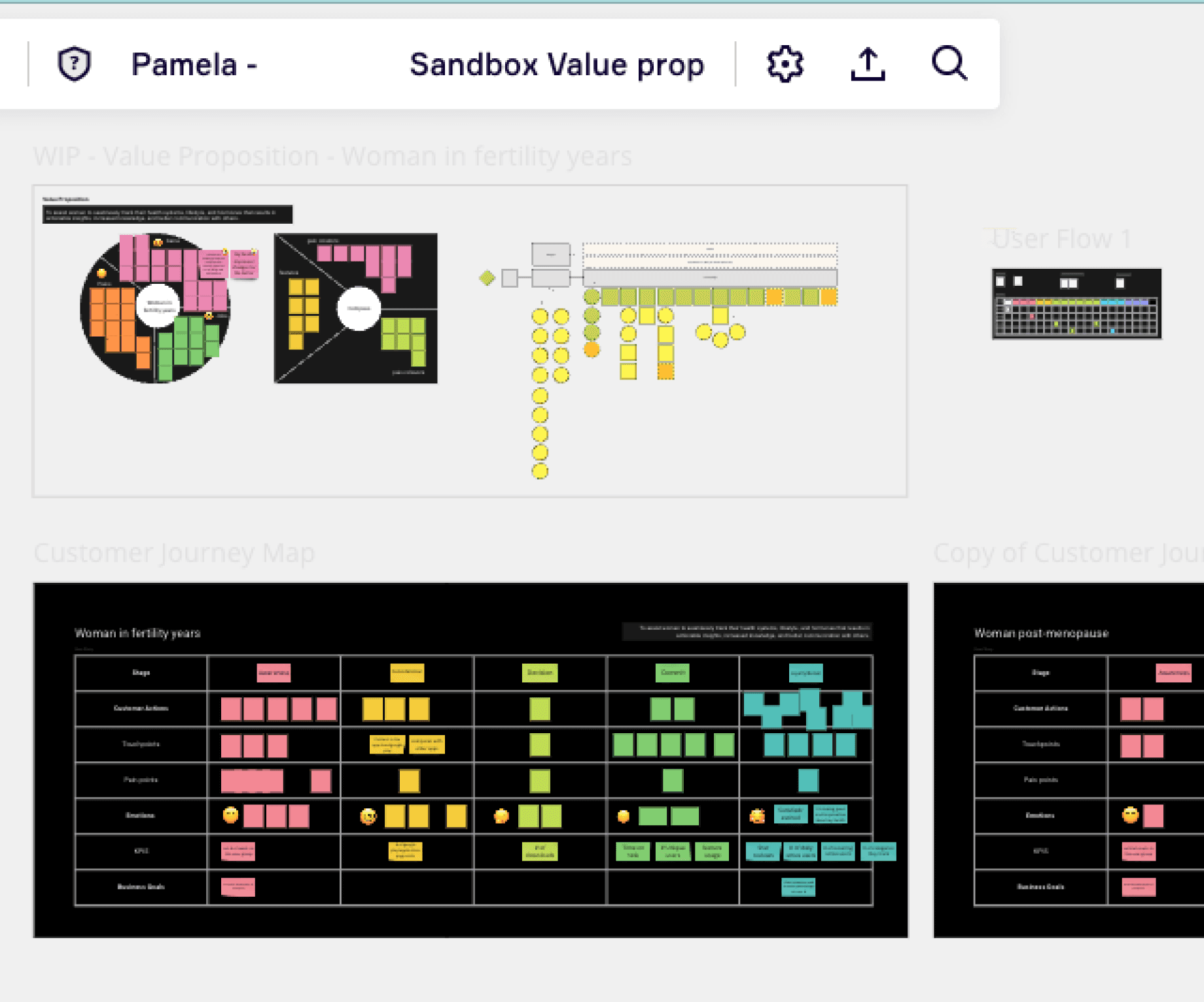
I facilitated targeted stakeholder sessions and lightweight research with potential early adopters to identify which features were essential for initial value, allowing us to define a realistic MVP scope.
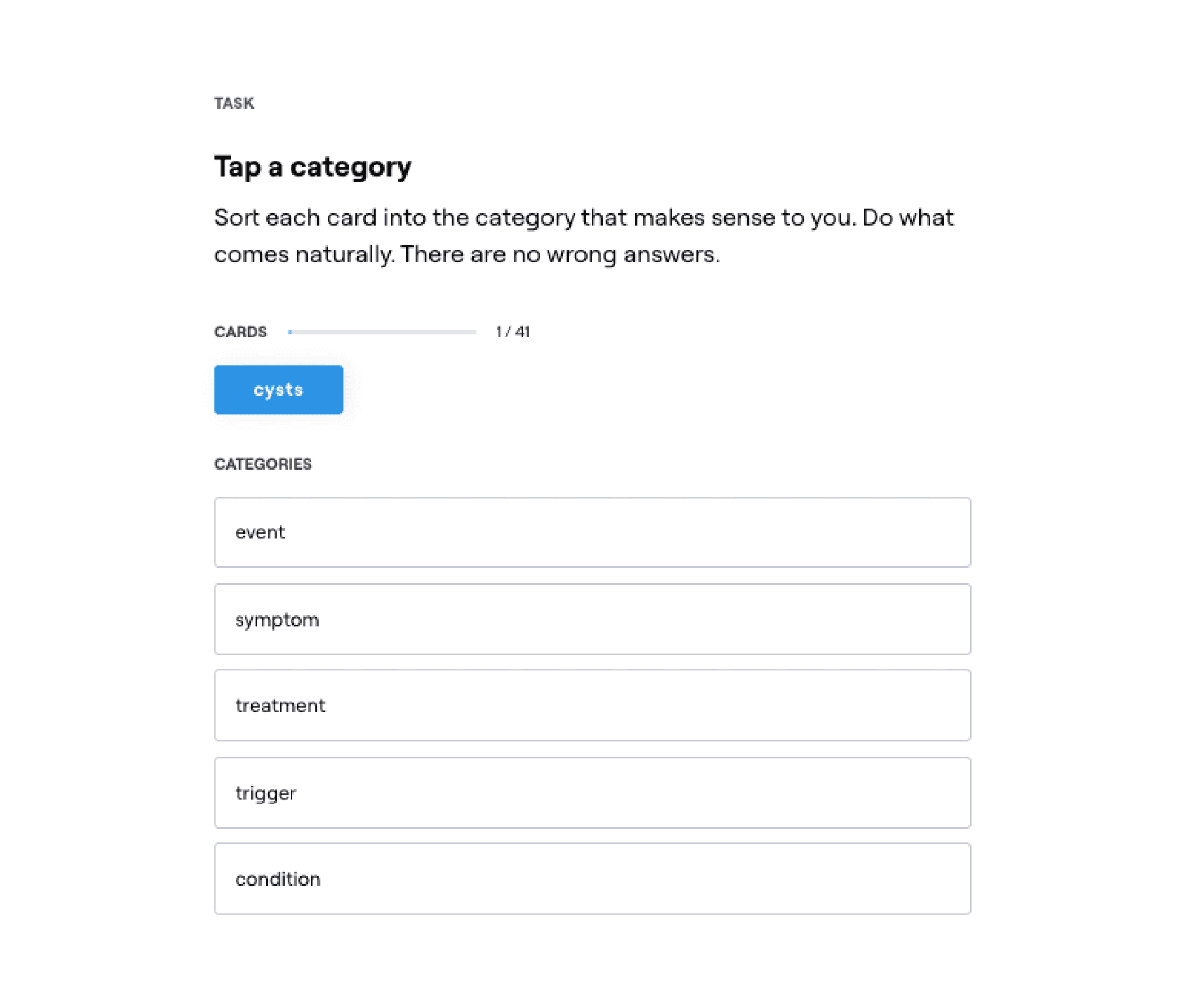
Information architecture grounded in user mental models
Rather than debating medical classifications (e.g., symptom vs. trigger), I reframed the problem around how users actually experience and describe their health. This shift informed a more intuitive information architecture and simplified tracking interactions.
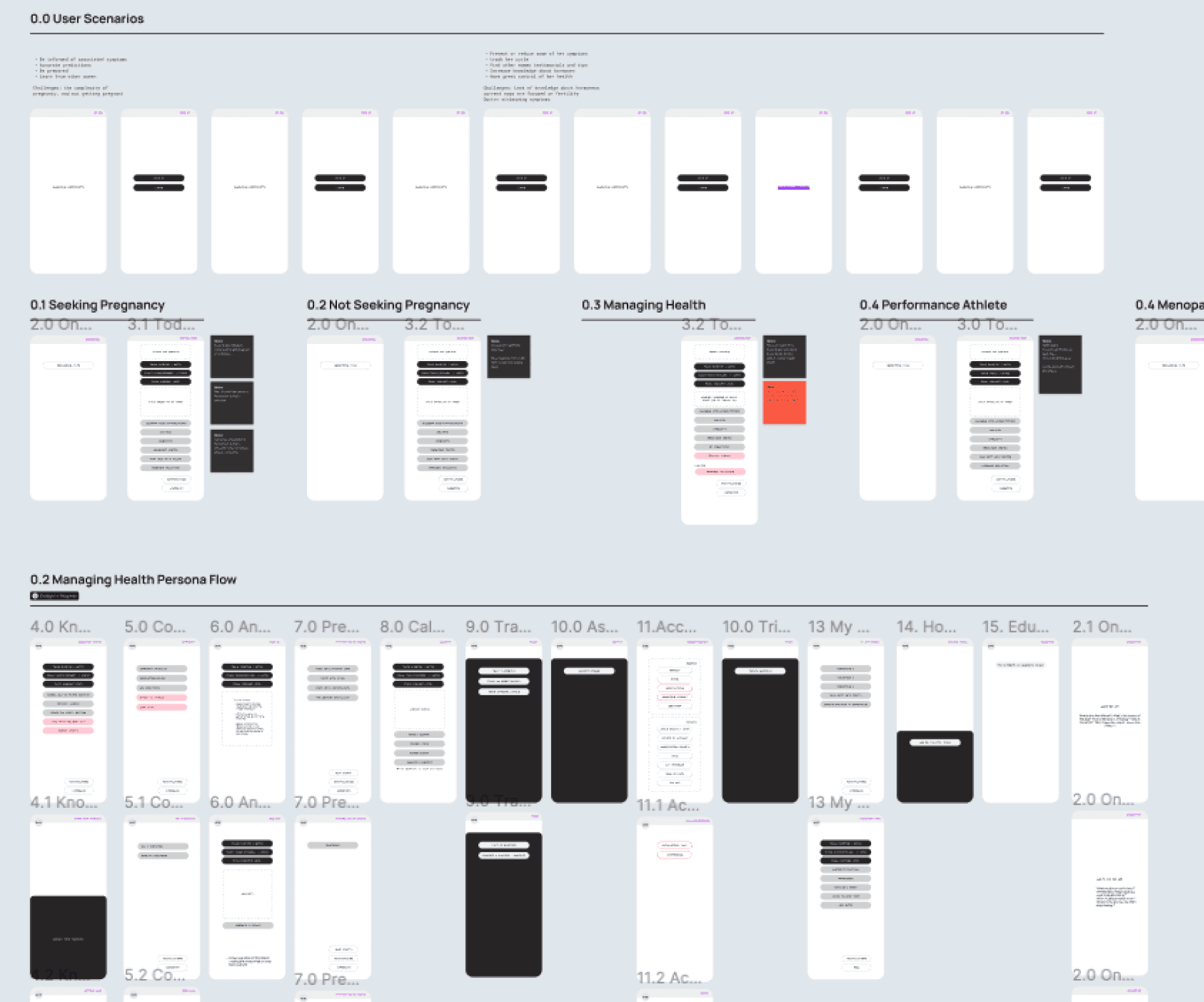
De-risking through high-level wireframes
I created high-level wireframes to communicate the full structure and depth of the product early. This helped align stakeholders, validate assumptions, and reduce downstream rework.
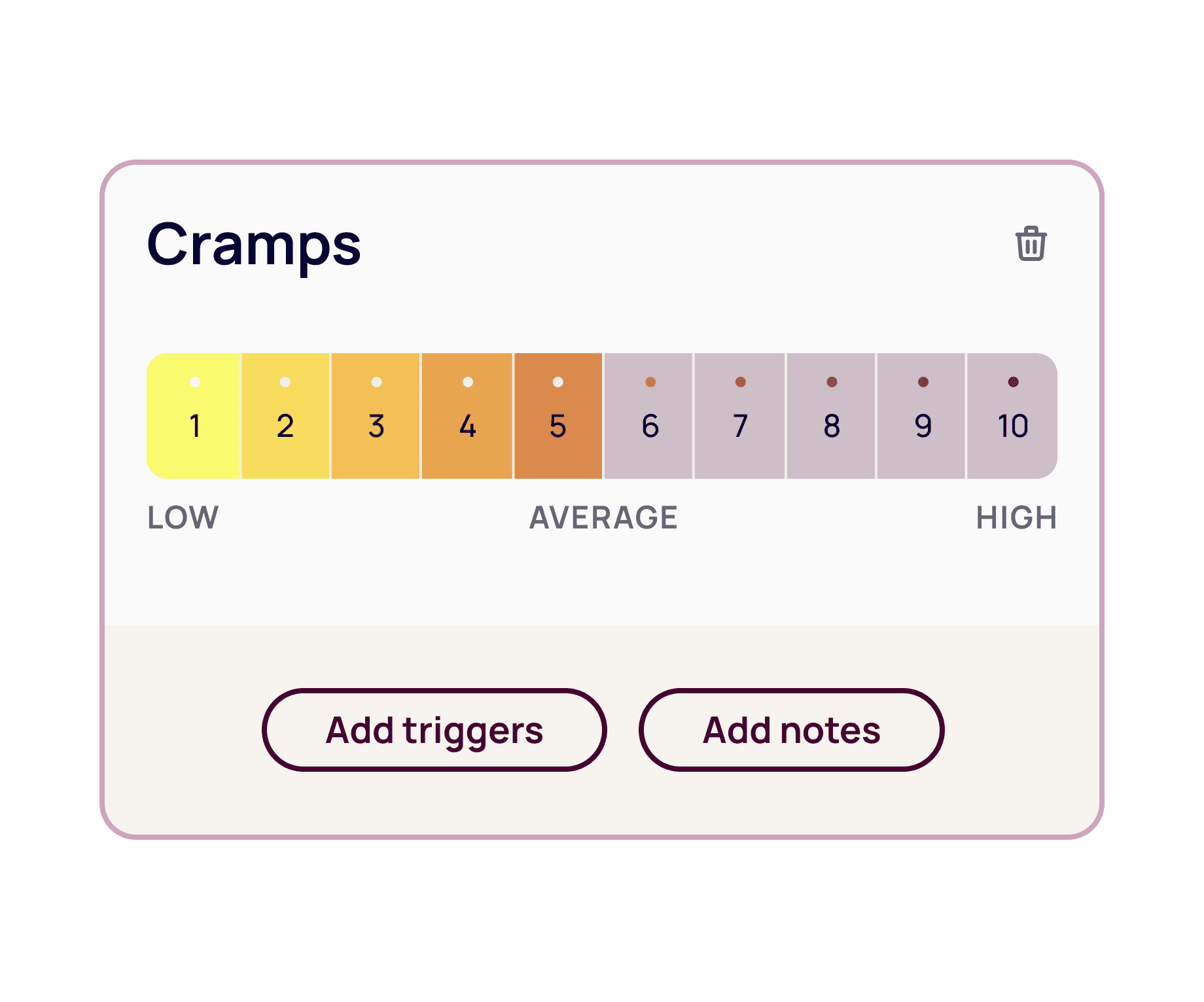
Interaction design with intention
Despite time constraints, I focused design effort on interactions that materially impacted usability and trust, prioritizing clarity and ease over feature breadth.

Design execution & leadership
I led visual design and defined the core UI elements and patterns for the app. Alongside hands-on execution, I guided a junior designer through feedback and iteration, ensuring consistency, quality, and alignment with the product vision.
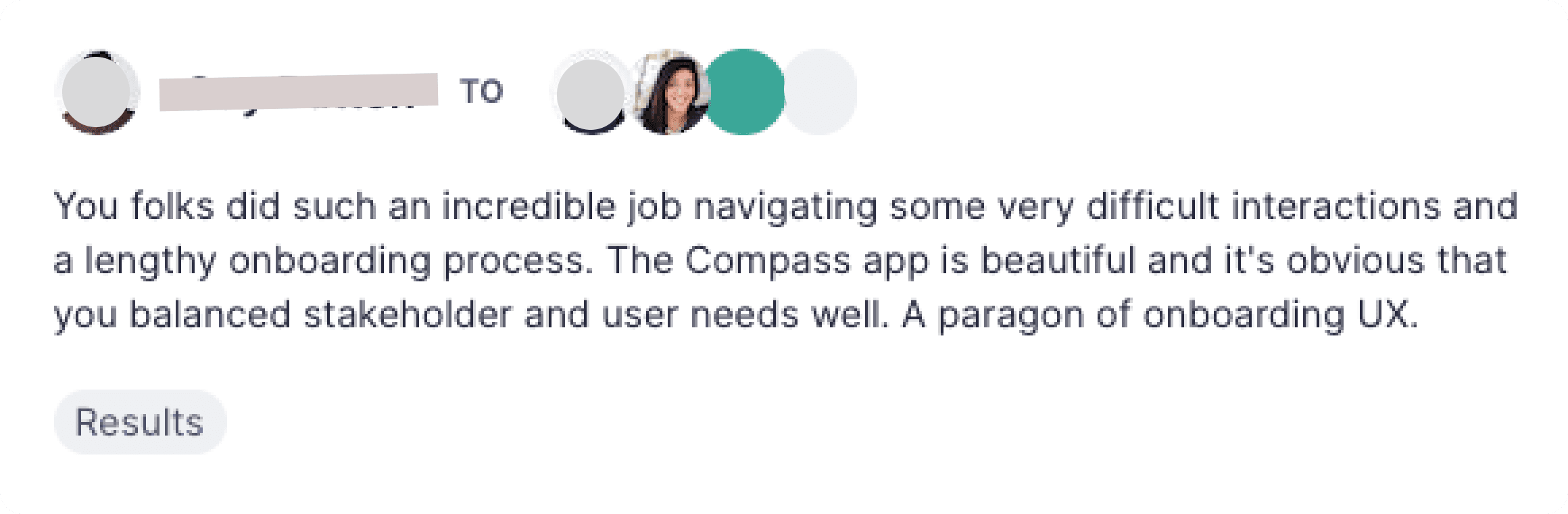
The resulting MVP prototype provided a clear, development-ready foundation for the product—balancing usability, sensitivity, and scalability—and enabled the client to confidently move forward with fundraising and product development.